
Electrical Emergency Signs: What to Look For
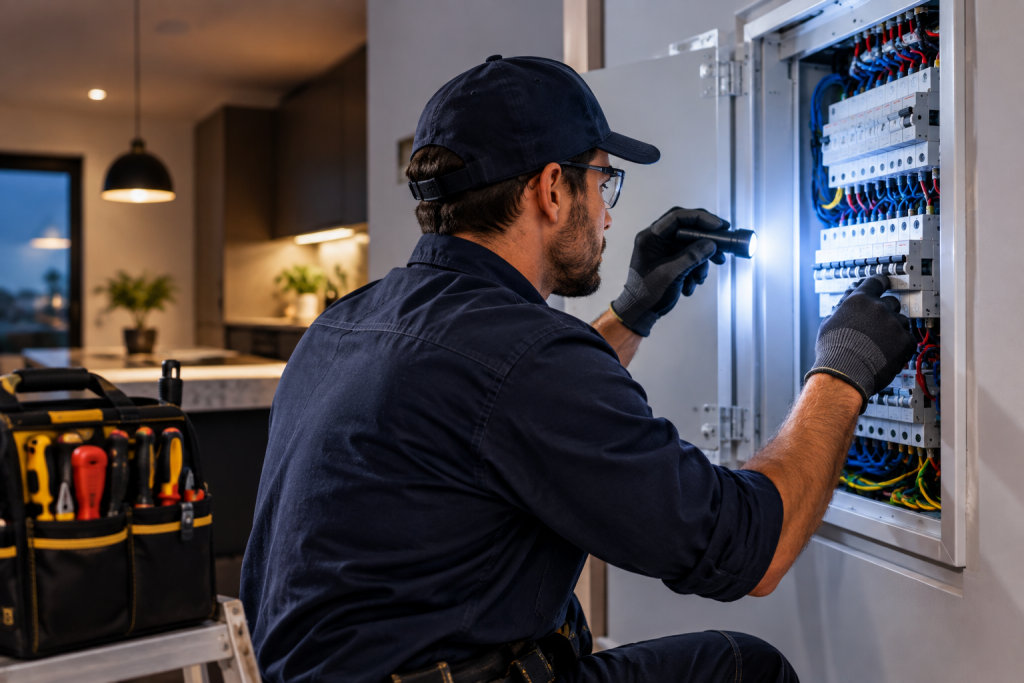
Electrical emergency signs, such as burning smells, smoke, or constantly buzzing sounds, indicate a major potential issue. They are a threat to both people and property. According to the Australian Institute of Health and Welfare, accidental injuries due to exposure to electric current and radiation were the 14th leading cause of injury hospitalisations in the year ending 2025. Knowing the signs of electrical emergencies go a long way to safeguarding yourself and your loved ones. Let’s take a look at them below.
What Are the Common Electrical Emergency Signs?
Common signs of an electrical emergency include burning smells, sparks, smoke, buzzing sounds, repeated circuit trips, electric shocks, and unusually hot electrical fittings.
These symptoms require emergency electrical assistance because they indicate damaged wiring, overloaded circuits, loose connections or failing electrical equipment. Here are the warning signs of urgent electrical problems:
- A burning or melting smell: An unexplained burning smell near a power point, switchboard, appliance or light fitting can result from overheating components or damaged wiring.
- Sparks or electrical arcing: Visible sparks from outlets, switches, wiring or a switchboard can indicate a serious electrical fault, particularly when they occur repeatedly.
- Smoke or scorch marks: Smoke, melted plastic or dark marks around electrical fittings suggest excessive heat.
- Crackling sounds: If electrical fittings are giving crackling noises, it can indicate loose or damaged connections.
- Repeatedly tripping safety switches: Protective devices are designed to disconnect electricity when a problem is detected. Frequent tripping can mean an underlying fault needs a look by a professional
- Electric shocks: A shock or tingle from an appliance or a surface can indicate a dangerous electrical fault.
- Hot power points: Electrical fittings that feel unusually warm can have damaged internal connections.
Some of these symptoms can also show up with common home electrical issues, like tripping breakers or overloaded power points, and you may be oblivious to it. A single faulty light may not be an emergency, but flickering lights and a burning smell require a much faster response.
That’s why we at AJ Coast Electrical place greater emphasis on regular electrical system maintenance, so residents can spot electrical problems lurking in their homes.
What Are the Most Common Electrical Emergencies?
The most common electrical emergencies involve faults that can expose you to live electricity. The emergencies create excessive heat or cause an unexpected loss of power. According to the New South Wales Government and Fire and Rescue NSW, nearly 40% of the state’s residential fires annually result from electrical faults and appliances. The following are the most common electrical emergencies.
Electric Shocks
Any electric shock from any kind of appliance should be taken seriously. Even a mild shock can indicate a fault in the wiring or electrical supply.
Avoid touching the affected item again and keep other people away until the cause is known.
Burning or Smoking Electrical Equipment
Smoke, a burning smell or visible heat damage from an outlet or appliance is due to overheating wiring or components. Stop using the affected equipment. If an electrical fire has started that can harm people, call Triple Zero (000).
Sparking Switchboards
Repeated sparking from a fixed electrical fitting is another common electrical emergency. It may be due to loose connections. Sometimes, the wiring can deteriorate. Let a licensed electrician inspect it. At AJ Coast Electrical, switchboard inspection and upgrades are one of our popular services for both residential and commercial electrical issues.
Damaged Wiring
Conductors that are exposed can result from damaged fittings. Renovations, storms, or ageing electrical installations are other major causes of damaged and exposed wiring. You should never handle it yourself with a temporary DIY fix.
Repeated Safety Switch or Circuit Breaker Trips
A circuit breaker or safety switch may trip occasionally when it detects a fault. When the same circuit keeps switching off, it implies an issue underneath.
Sudden and Partial Power Loss
An internal electrical fault can be behind a single property facing an unexpected power loss. When a sudden or partial power outage is accompanied by burning smells and sparks, go for an urgent electrical assessment.
Many issues rarely arrive with a warning, which is why we want you to prepare your home for an electrical emergency. Doing so will help prevent unwanted yet serious issues like electric shock or property damage.
What Should You Do During an Electrical Emergency?
If you identify electrical emergency signs and act quickly, you can prevent a serious electrical emergency. Unfortunately, many people are unable to do so, which makes it significant for homeowners in Perth to know how to act when electrical emergencies strike.
- Stay away from the hazard and keep others clear of the damaged electrical equipment.
- Turn off the power only if it is safe to do so, without getting near water, live wires or a damaged switchboard.
- Do not touch someone receiving an electric shock.
- Call Triple Zero (000) if there is a fire or immediate danger to life.
- For fallen powerlines or network faults in Perth, keep well clear and contact the local electricity distributor.
- Never carry out DIY electrical repairs and call a licensed electrician using the affected circuit.
Can You Prevent Electrical Emergencies in Homes and Offices?
Regular maintenance and safe use of electrical equipment can reduce the occurrence of many electrical emergencies.
Early attention to warning signs and calling licensed electricians from AJ Coast Electrical also prevents adverse consequences. Here are the practical precautions that Perth homes and businesses should take:
- Test RCD safety switches regularly. WA Building and Energy states testing RCDs every three months.
- Have damaged outlets, wiring and switchboards repaired early. Do not wait for a minor fault to become an emergency.
- Never overload power points and power boards where multiple high-demand appliances are being used.
- Keep electrical equipment away from water and address leaks or moisture near wiring and outlets.
- Arrange electrical equipment inspections after storm or water damage.
- Use a licensed electrical contractor for electrical work. In WA, appropriately licensed professionals should carry out RCD installation and electrical repairing work.
- Keep an eye on early warning signs such as frequent tripping, buzzing, heat, flickering lights or burning smells.
Closing Thoughts:
Electrical emergencies involving shocks, burning smells, sparking, exposed wiring or repeated power loss can aggravate quickly. When you recognize the warning signs early, you can help protect people, property and electrical systems from serious damage.
For Perth homeowners and businesses, the safest response is to keep clear of the hazard and contact a licensed electrician when urgent faults arise. If there is an immediate threat to life or property, call Triple Zero (000).
AJ Coast Electrical provides 24/7 emergency response and support across Perth for urgent faults, switchboard problems, power issues and other electrical hazards. Call 0428 147 711 or visit our website to book a safety inspection.
Frequently Asked Questions
A power outage may be an emergency if it involves sparks, smoke, burning smells, damaged wiring or other signs of an electrical fault.
A burning smell from a power point can indicate overheating, damaged wiring or a faulty component. They should be addressed promptly.
A faulty appliance, wiring issue, or electrical fault can cause repeated safety switch trips. Get it checked by a qualified electrician.
Yes, Water-damaged wiring can create risks of electric shock, short circuits and fire and should be assessed by a qualified electrician.
Unusual heat, buzzing sounds, flickering lights, sparks, burning smells or repeated circuit trips are indicators of an electrical fault requiring attention.
Flickering lights can indicate loose connections, overloaded circuits or faulty electrical components and should be professionally assessed if the issue continues.
Sparks, smoke, exposed wiring, electric shocks, burning smells and signs of overheating can indicate a potentially dangerous electrical fault.
You can contact a qualified electrician in Perth for professional assistance with electrical emergencies, urgent faults and potentially dangerous electrical issues.
